Mirror Me: Virtual Consultations
Mirror Me is an end-to-end consultation service that facilitated remote skin treatments during COVID-19 lockdowns.
Background
Dermalogica Skin Experts are some of the world's most highly trained skincare professionals. But what happens when that world locks down, and in-person skin services are prohibited? My solution to this problem was to create and test a virtual skin service called Mirror Me.
-
· Lead UX + Service Designer
· Visual Designer
· CRM -
3 month sprint from April-July 2020
The challenge
How do I translate a skin service's sensory experience and value into a scalable virtual experience for which customers would pay money?
-
This project was born out of an urgent need: connect skin experts with their clients during COVID lockdowns.
The challenge? How do I get clients who are used to receiving 60-minute long facials with expensive products in a serene physical environment to pay money for something conducted over … Zoom?
The solution
Mirror Me is a virtual consultation service that includes three sessions with a skin expert, a 5-step product regimen shipment, and a coupon for future in-person service.
I packaged this service in a way that made it easy for skin experts to replicate independently. Included in the package were a guide on how to use social media and email for acquisition, creative assets, a free Calendly subscription, and a suggested pricing model based on my test results.
How to create a service: step 1
Measure interest as quickly and affordably as possible
I sent an email advertising a virtual consultation to a select number of existing customers. Of the 100 people I emailed, 38 clicked on “Book Now,” which signaled that this was worth exploring.
I hadn’t thought about a pricing model at this point, but if 38 people paid $50 for a remote service, that was almost $2000 in otherwise non-existent revenue.
How to create a service: step 2
Test different service offerings
People are biting, but what do they want, and how much are they willing to pay for it? I reached out to the head of Service Innovation, Louis Chabert, and began working with him to create and test different offerings. We launched three email campaigns, with each test informing the next:
Test 1 = Free virtual services focused on a specific skin concern each week. What did we learn? People were more likely to book a service if it wasn’t free.
Test 2 = $49 for a 30-minute virtual service called ‘Mirror Me: PRO Treatment.’ What did we learn? A single Zoom call didn’t spark delight or offer enough time for a genuine connection between the skin expert and the customer. It was rushed and awkward.
Test 3 = Mirror Me: Pro Treatment that included three guided sessions over three weeks and a personalized 5-step regimen mailed to the user’s address. What did we learn? Customers were willing to pay more for a service that felt like it was getting to the crux of their skin concern. They wanted to be able to try new products in this guided environment, so we included trial-size products as part of the overall offering. This approach made the conversations more fun, structured, and valuable.
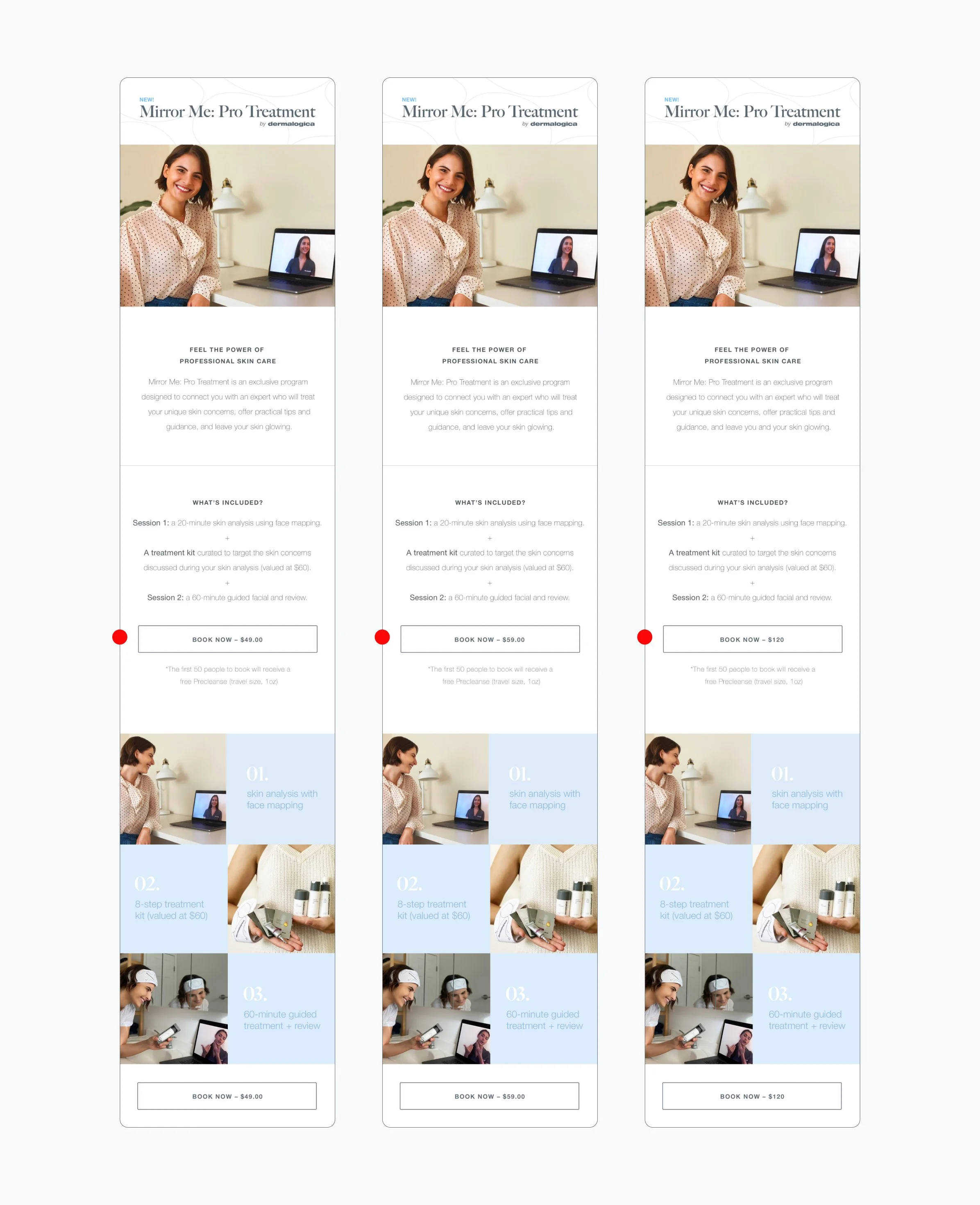
The designs above are from a pricing test I conducted using outbound email.
How To Create a Service: Step 3
Create an MVP
We honed in on what our customers wanted and how much they would pay. It was time to get more skin in the game and bring the service to life. We ramped up the quality of the designs and considered every aspect of the end-to-end experience, from sign-up to follow-up.
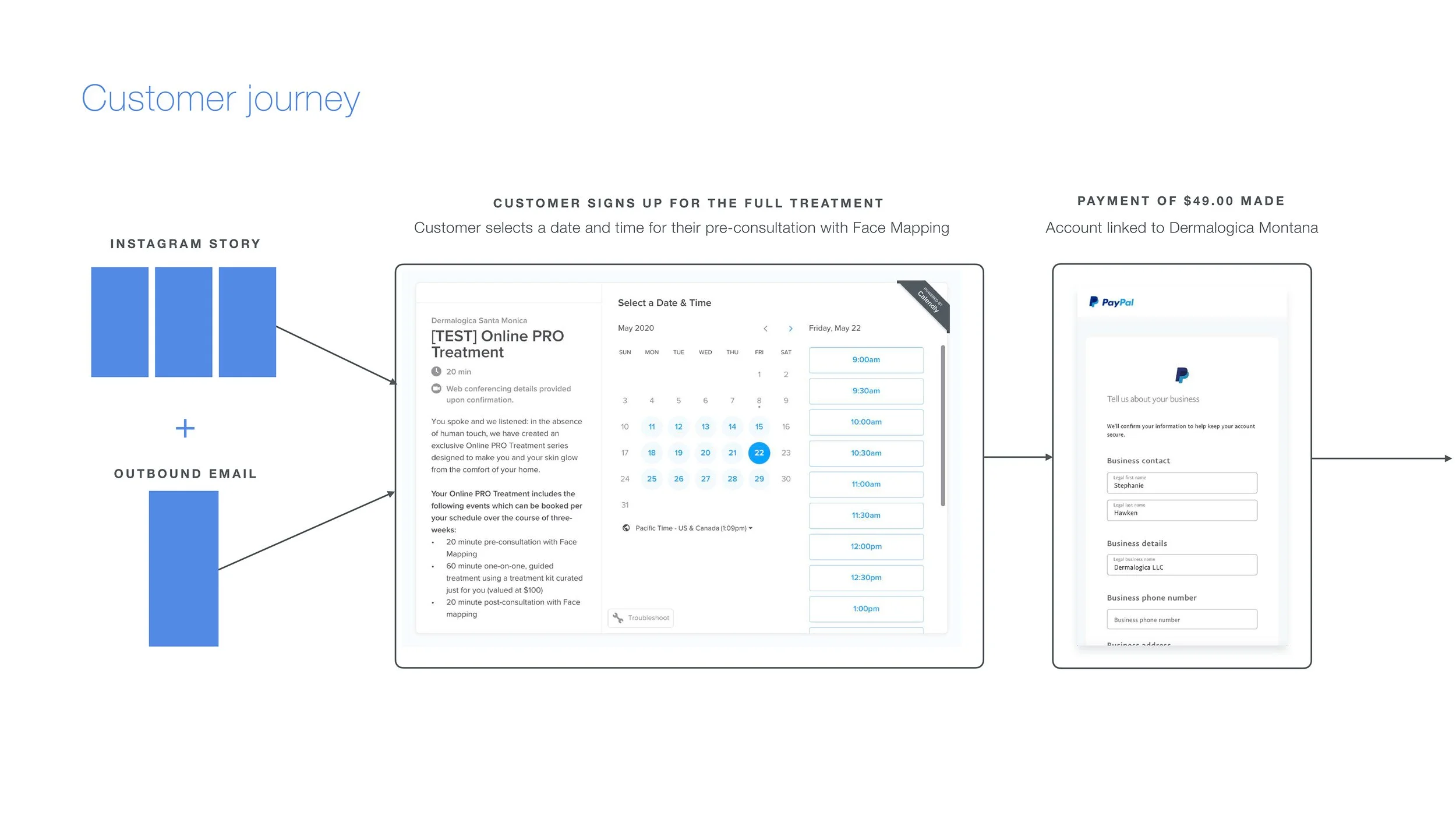
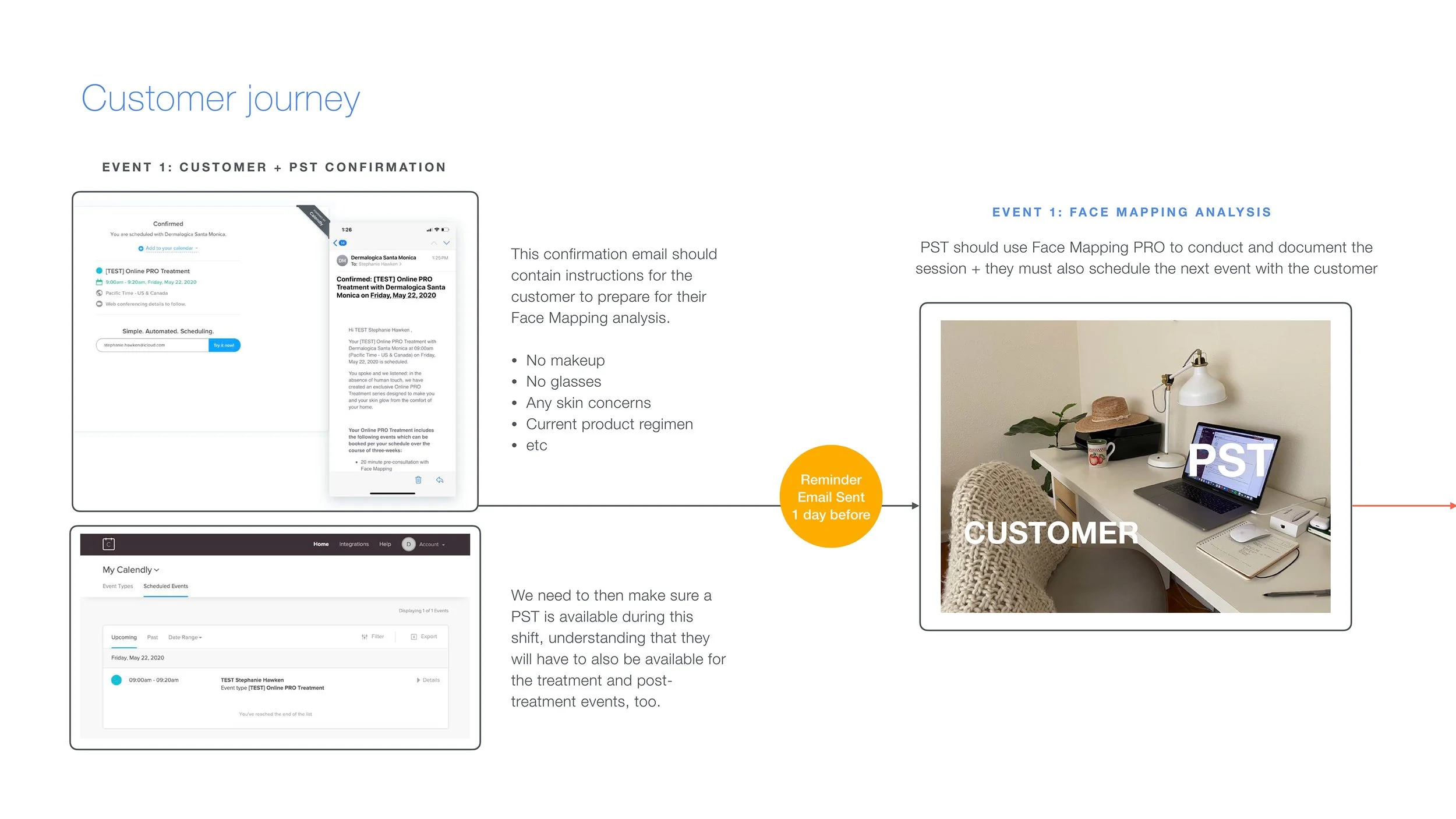
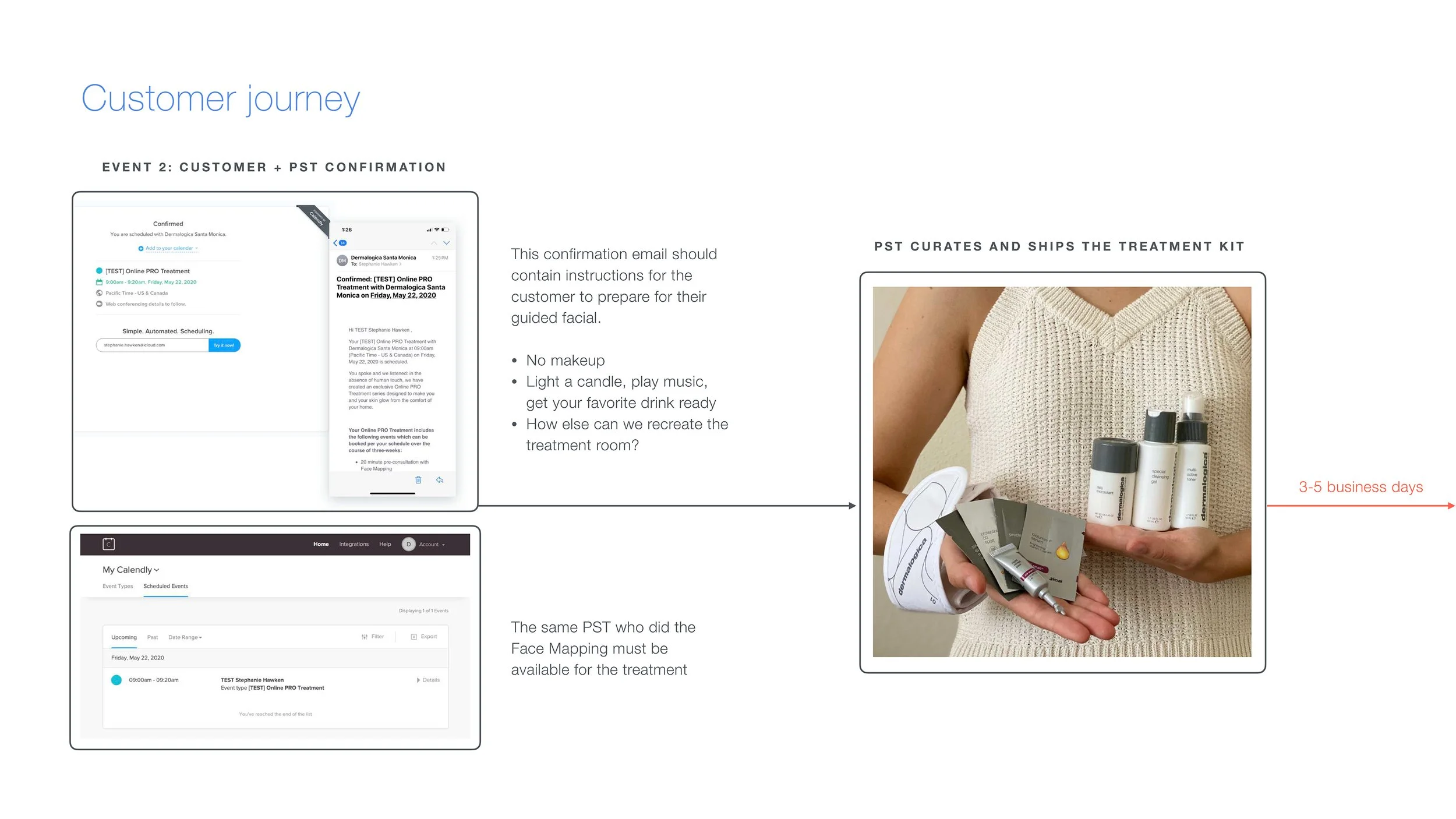
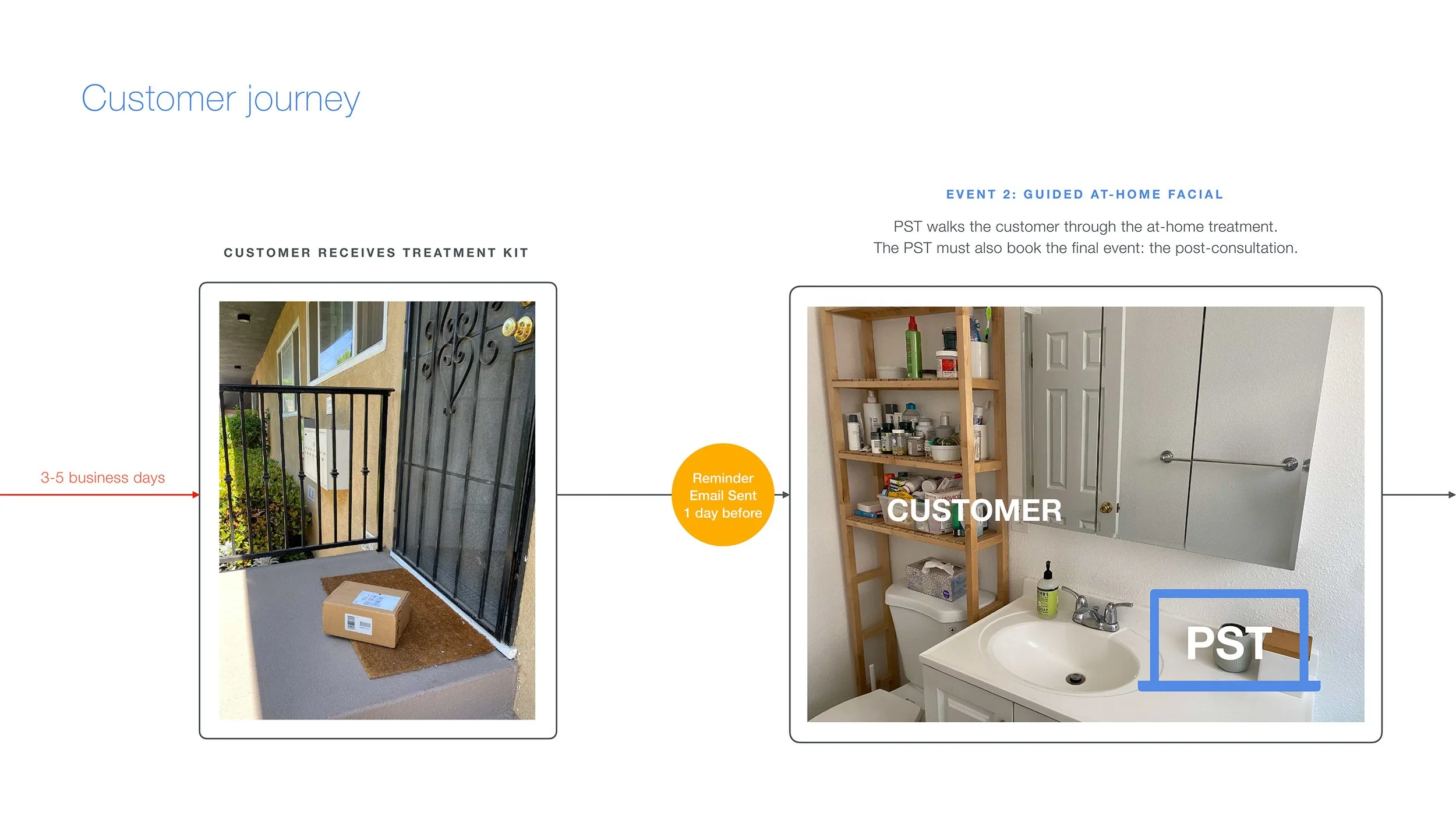
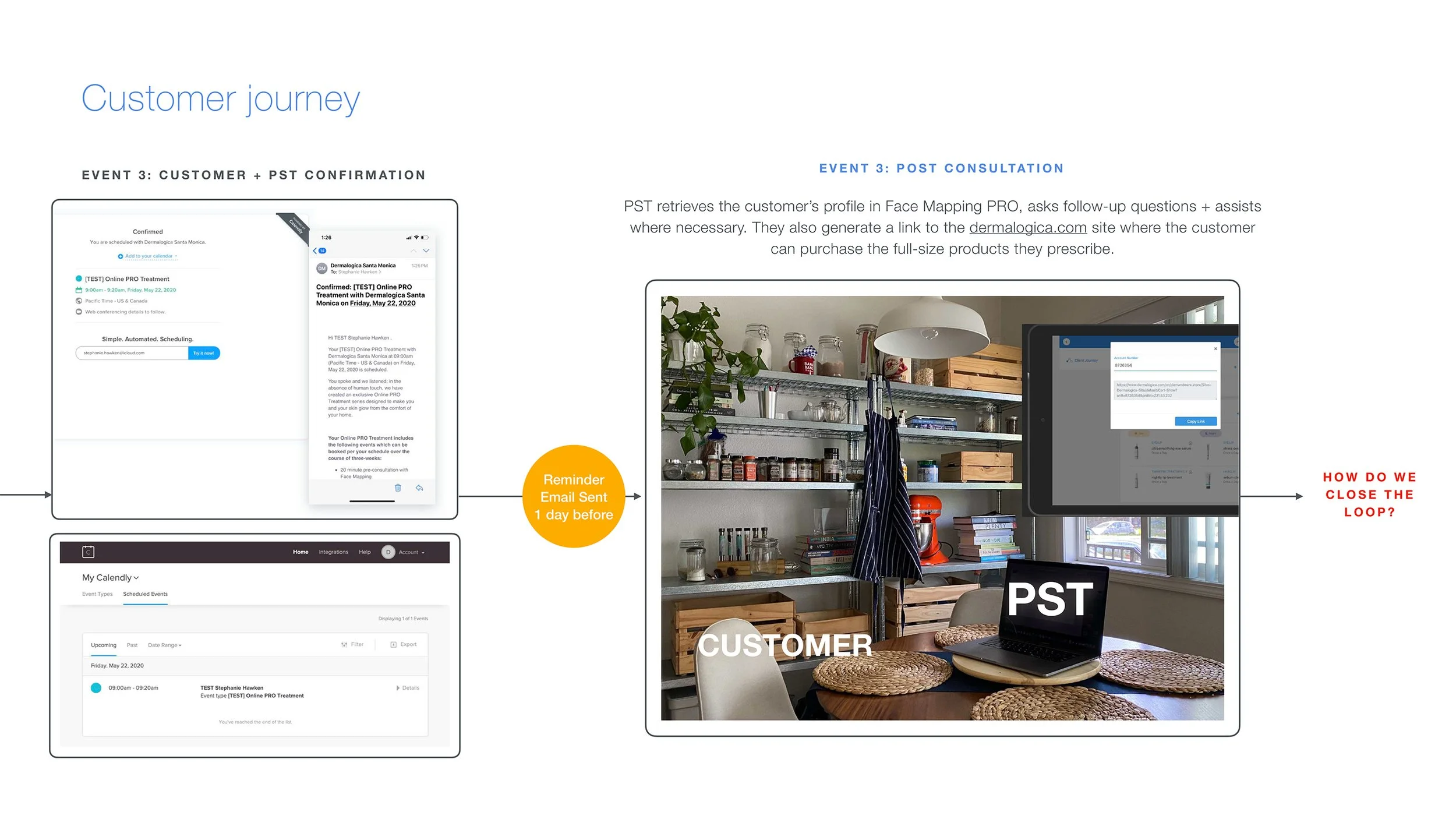
Detailing the customer journey: I outlined the customer journey trying to account for all possible positive and negative use cases. Despite this, several unexpected edge cases cropped up when we went live. Thankfully, we were able to course-correct quickly.
Tech stack: I didn’t want to build anything custom for this and knew it had to be as cost-effective and easy as possible. We used Calendly as a scheduling tool (they offered free plans during COVID), MailChimp to reach customers and measure primary KPIs, Instagram for promotion, and Zoom to facilitate the calls.
Assets: remote consultations were novel at the time, and I knew being able to visualize what they entailed would be necessary. I borrowed Dermalogica scrubs and trial-size products, roped my poor sister into becoming a skin expert for the day, and shot every stage of 3 session Mirror Me consultations from home

Retrospective
This project was fascinating and yielded some notable results, but after several months I decided to end it. Two key learnings played a role in this decision:
First, there is no substitute for in-person connection, and customers were already overwhelmed by the amount of distanced communication due to COVID. The engagement needed to be higher.
Second, the net input did not warrant the output. This program's success depended on my investment and ongoing management. When I handed over the reins to flagship store employees, customers began to fall through the cracks. Co-creating the service more closely with them would have helped.
Overall, I was pleased with this sprint. Trying something new is always a worthy endeavor, as is knowing when to quit.